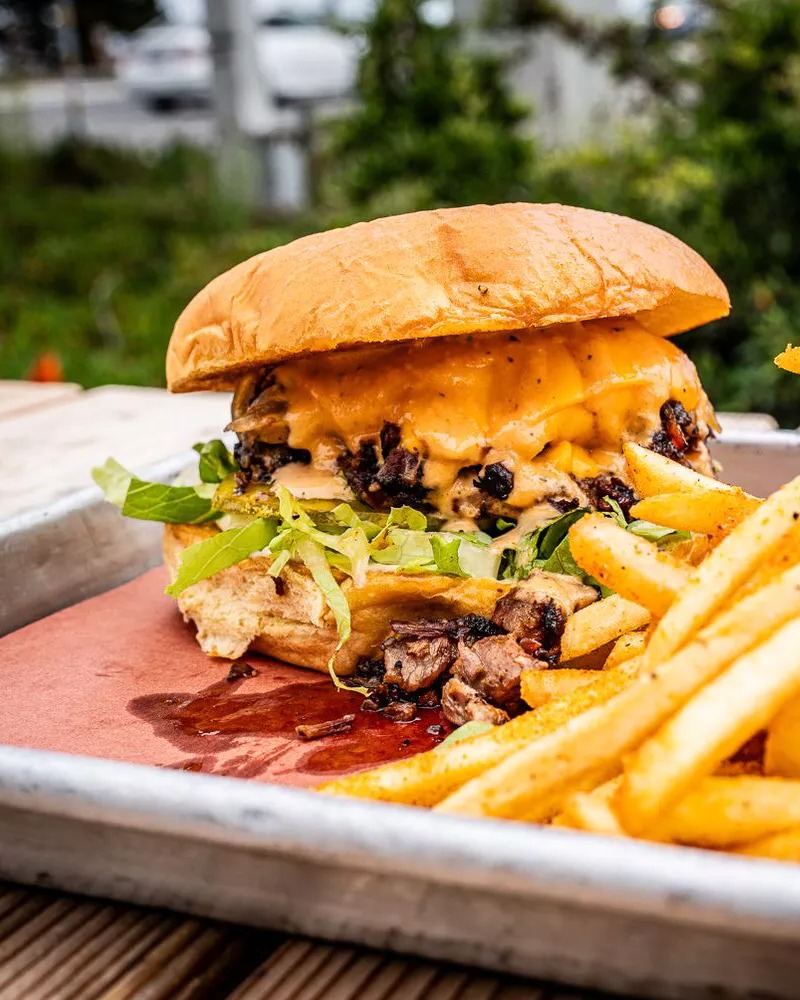

The transformative power of a perfectly crafted burger can reshape an entire culinary perspective, as one Miami food enthusiast discovered during his formative years. Growing up in the vibrant food scene of 1980s Miami, the young burger aficionado thought he understood the full spectrum of American hamburger culture. However, his family trips to California during that pivotal decade would fundamentally alter his approach to evaluating, appreciating, and consuming burgers. What began as routine family vacations evolved into an education in regional food culture that would influence his palate for decades to come.
The contrast between East and West Coast burger philosophies became immediately apparent during those California sojourns. While Miami's burger scene emphasized bold flavors and international influences reflecting the city's diverse population, California's approach proved more nuanced and ingredient-focused. West Coast establishments prioritized fresh, locally-sourced components and innovative preparation techniques that elevated the humble hamburger into something approaching culinary art. The difference wasn't merely about taste preferences, but represented entirely different philosophies about fast food's potential and the role quality ingredients could play in quick-service dining.

California's burger culture in the 1980s was experiencing a renaissance that would later influence national trends. Pioneering establishments were beginning to challenge the standardized approach of major fast-food chains by emphasizing customization, premium ingredients, and chef-driven creativity. This movement toward gourmet fast-casual dining was particularly evident in California's burger joints, where concepts like grass-fed beef, artisanal buns, and house-made condiments were becoming standard rather than exceptional. The young Miami visitor found himself witnessing the birth of what would eventually become the modern craft burger movement.
The revelation extended beyond mere ingredients to encompass the entire dining experience and cultural context surrounding West Coast burger consumption. California's laid-back lifestyle seemed to permeate even its approach to fast food, with establishments encouraging customers to savor their meals rather than simply consume them efficiently. This philosophy represented a fundamental shift from viewing burgers as mere sustenance to appreciating them as crafted food experiences worthy of contemplation and discussion. The social aspect of burger consumption took on new dimensions in this environment.
The influence of these California experiences proved lasting and profound, reshaping the Miami native's criteria for evaluating burger quality and authenticity. Elements that had previously seemed unimportant—such as bun texture, lettuce crispness, and the precise balance of condiments—became central to his burger appreciation framework. This heightened awareness transformed casual dining decisions into more thoughtful culinary choices, as he began seeking establishments that reflected the quality-focused approach he had discovered on the West Coast.
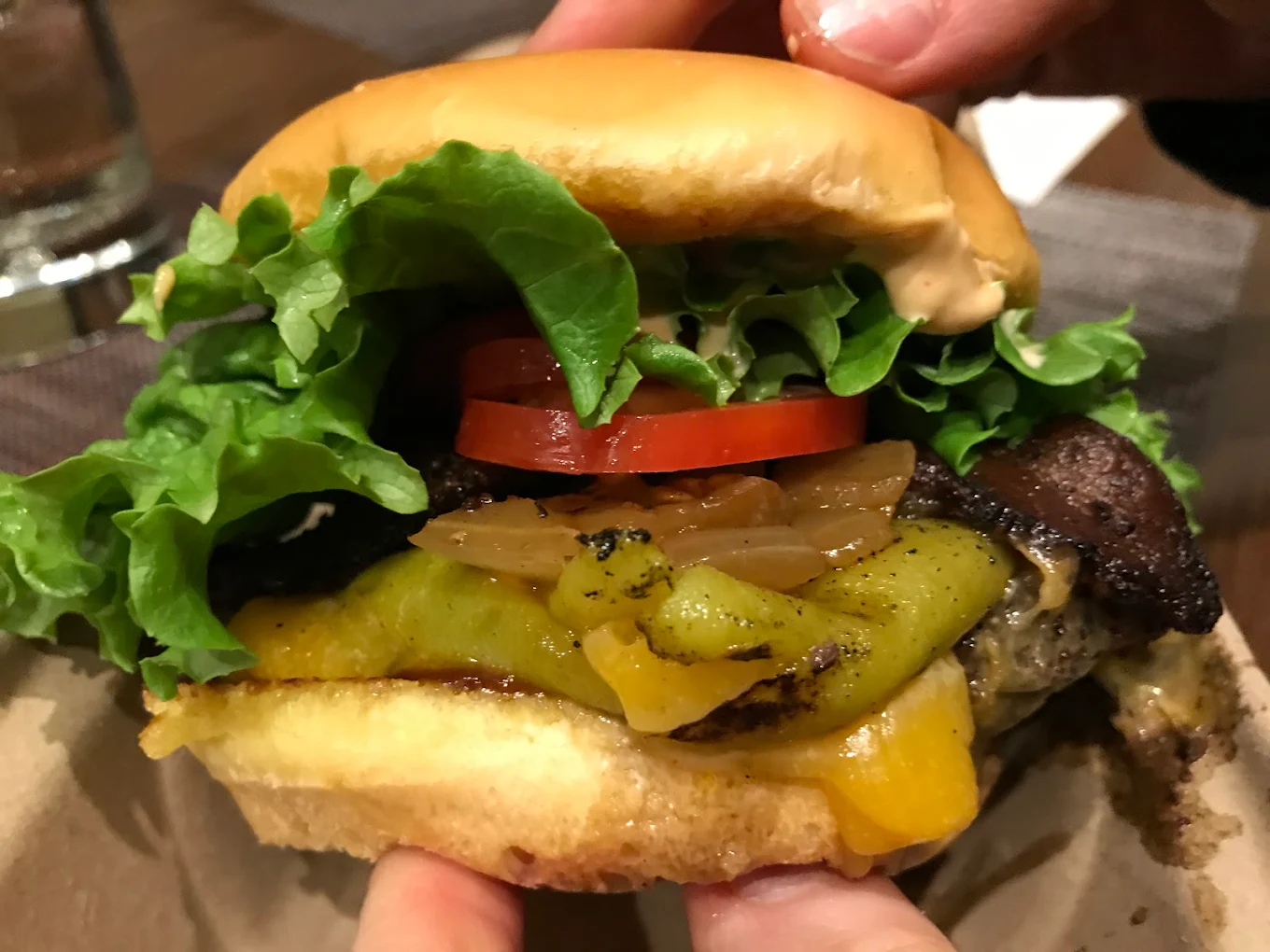
The broader implications of this cross-cultural burger education illustrate how regional food traditions can profoundly influence individual taste development and culinary understanding. What began as simple family vacations became an inadvertent masterclass in American food regionalism, demonstrating how geographic location shapes not only what people eat, but how they think about food itself. This transformation from casual consumer to discerning enthusiast exemplifies the potential for travel experiences to fundamentally alter one's relationship with familiar foods, turning routine meals into opportunities for cultural exploration and personal growth.